

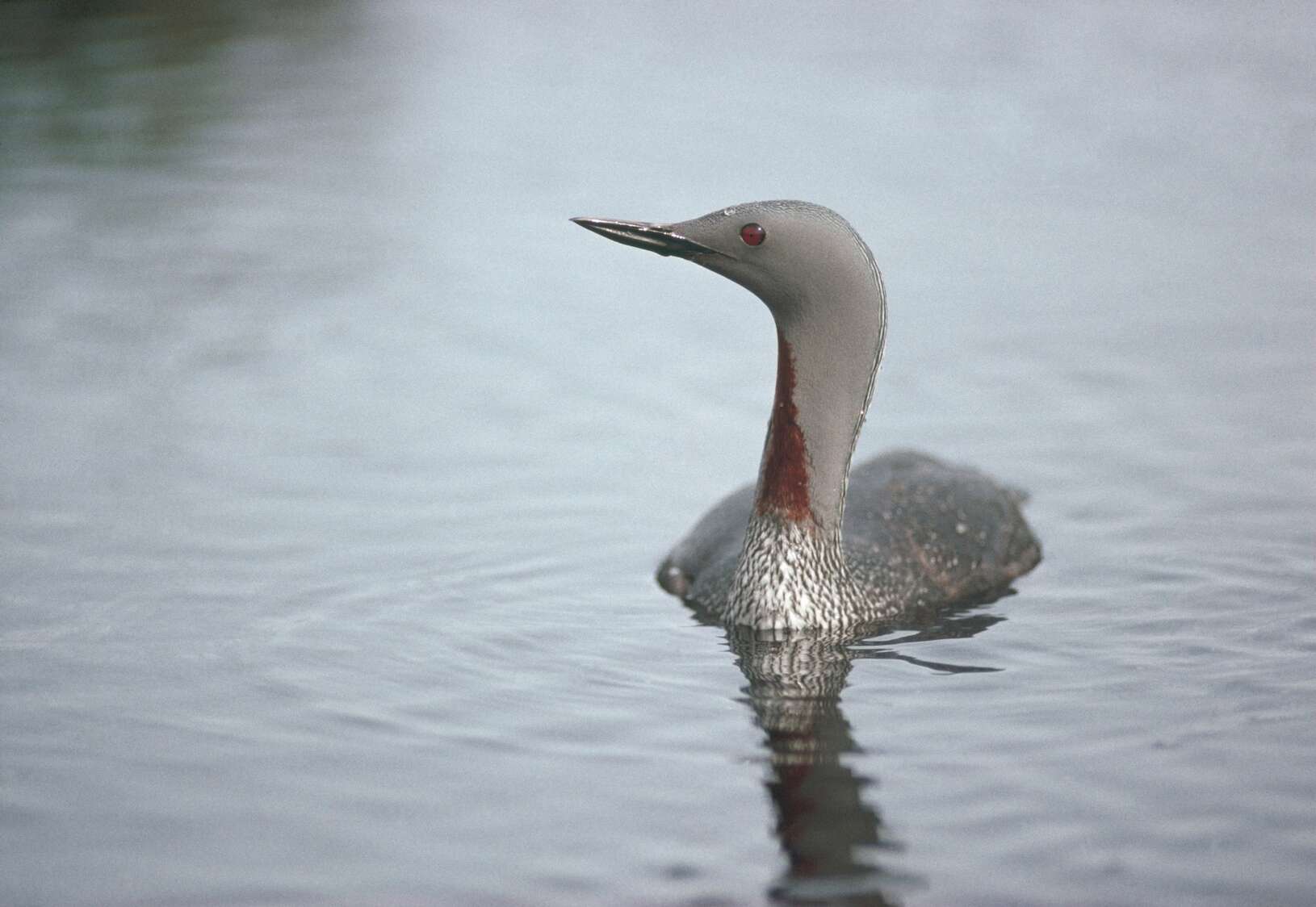
Red-throated diver:
“Red-throated divers have the eeriest calls found in our isles. They are also known as ‘loons’ in North America due to this, whilst in Orkney they are known as ‘rain geese’, due to their apparent weather-predicting abilities. Their haunting ‘wail’ call is primarily used between pairs, and parents and their young, to keep in contact with each other whilst on their breeding lochs. These lochs are mostly found in the moorland hills of Mainland, Hoy and other isles. Their calls are unmistakeable when heard and would be sure to send a shiver up your spine if walking in the hills at night!”
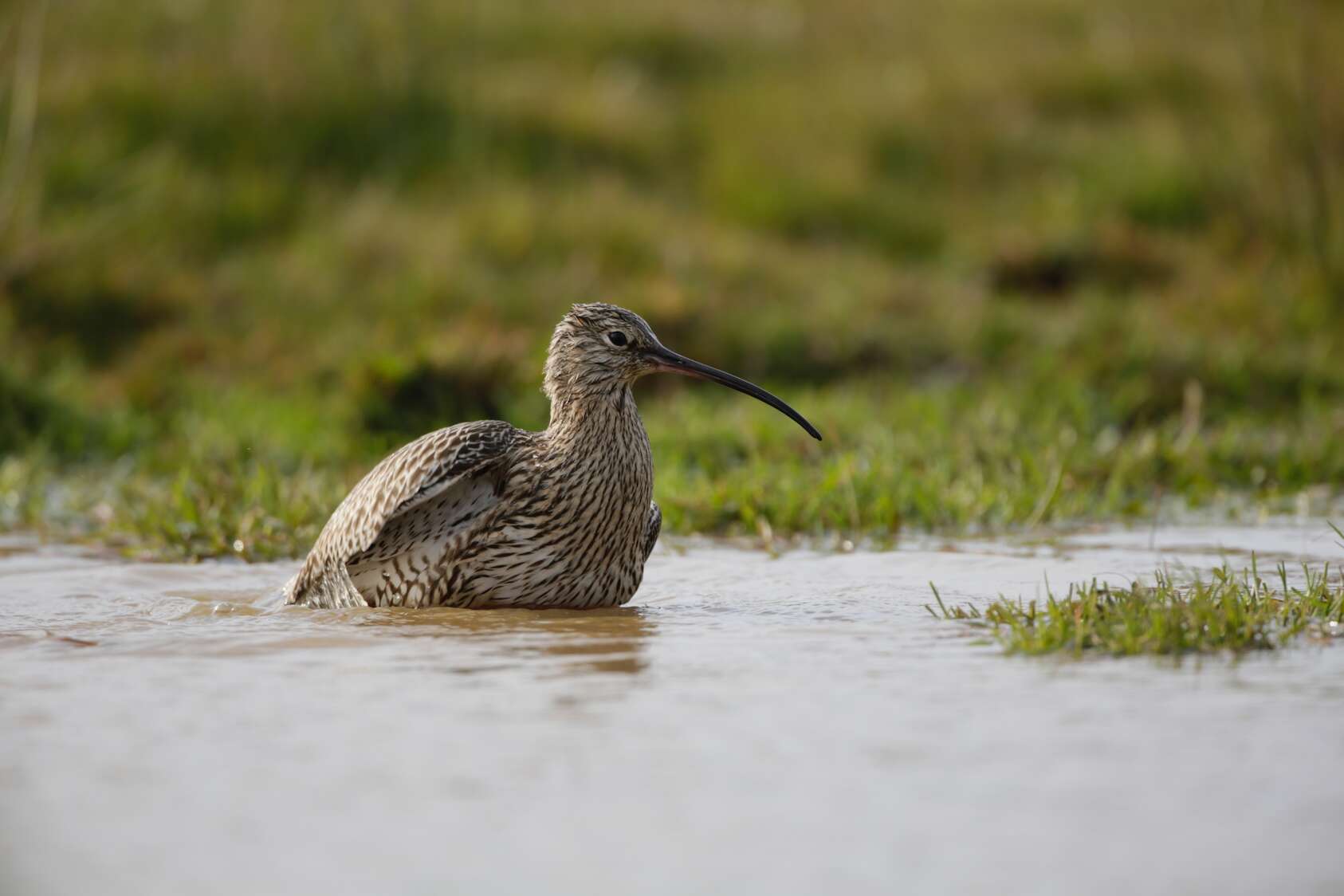
Curlew:
“There are many tales in Scots, English, and Irish folklore where Curlews have been seen to be birds of ‘bad omen’. This has often been translated to mean bad weather, where if several calling curlews were to be heard at once, it was said to be the portent of a coming storm. An extreme example comes from Ireland, known as the ‘Seven Whistlers’. Folk would hear flocks of birds flying over and calling at night, and their ‘wails’ were said to be spirits that foretold death and calamity. More recently, their haunting call has regularly been used in television programmes set in these areas to give an air of ‘spookiness’.”
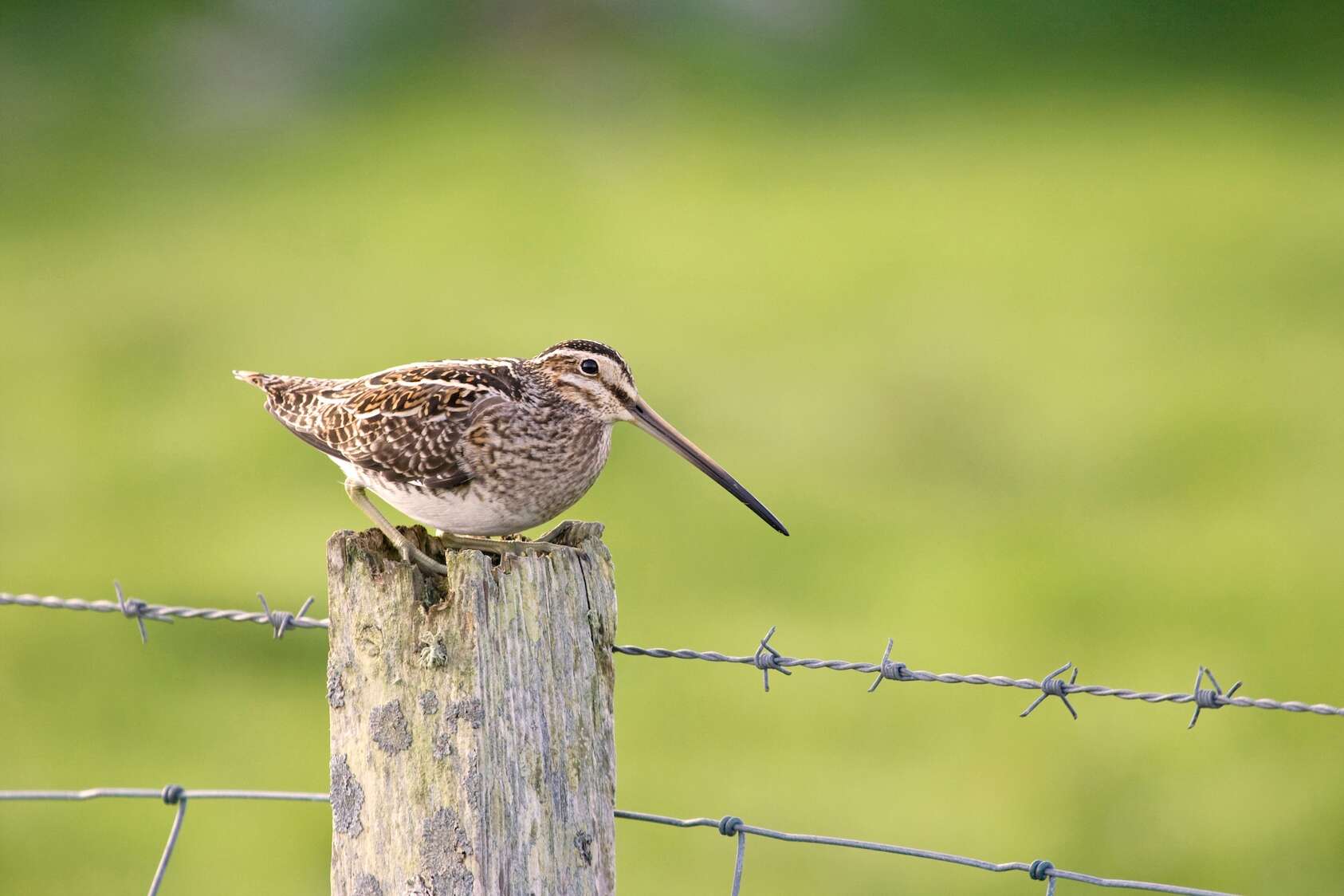
Snipe:
“Snipe have a distinctive call that would fit right in as part of any spooky ‘sci-fi’ film. They vibrate their tail feathers to make a ‘drumming’ sound during the breeding season, often in the early mornings and evenings. To me, this drumming sounds like an alien spaceship, which may sound ridiculous, but during early morning surveys, all sorts of thoughts run around your head when you’ve been awake since 4am!”
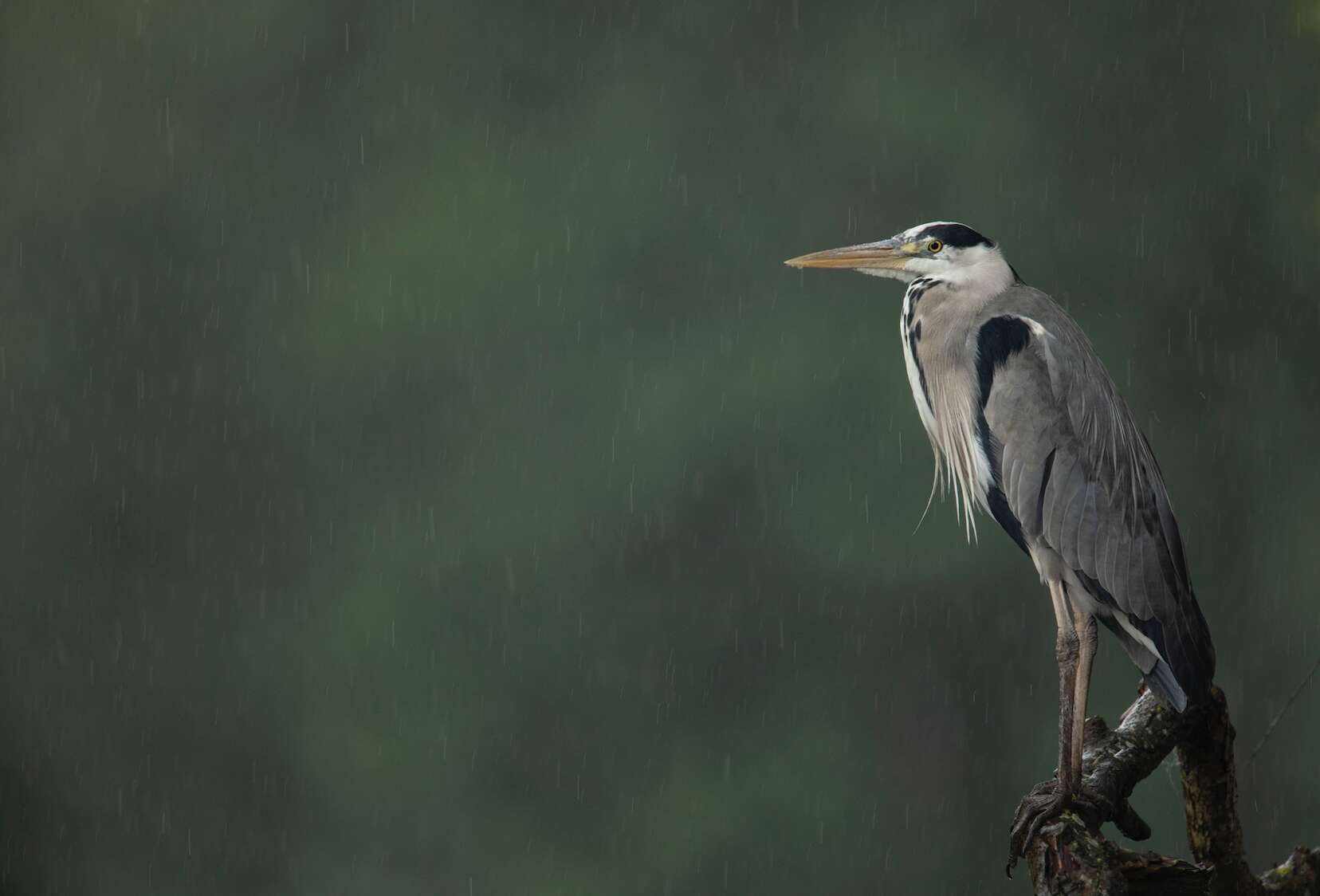
Grey Heron:
“Grey Heron calls are reminiscent of their dinosaur ancestors; a piercing ‘squawk’ that is often uttered as they take flight. Herons are voracious hunters, and although associated with fish, they will take amphibians, small mammals, and even other birds if the opportunity presents itself. Their long, sharp bill is perfect for skewering their meals before they gulp them down whole. Despite these rather menacing features, historically herons have been associated with bountiful fishing if seen on waterways.”
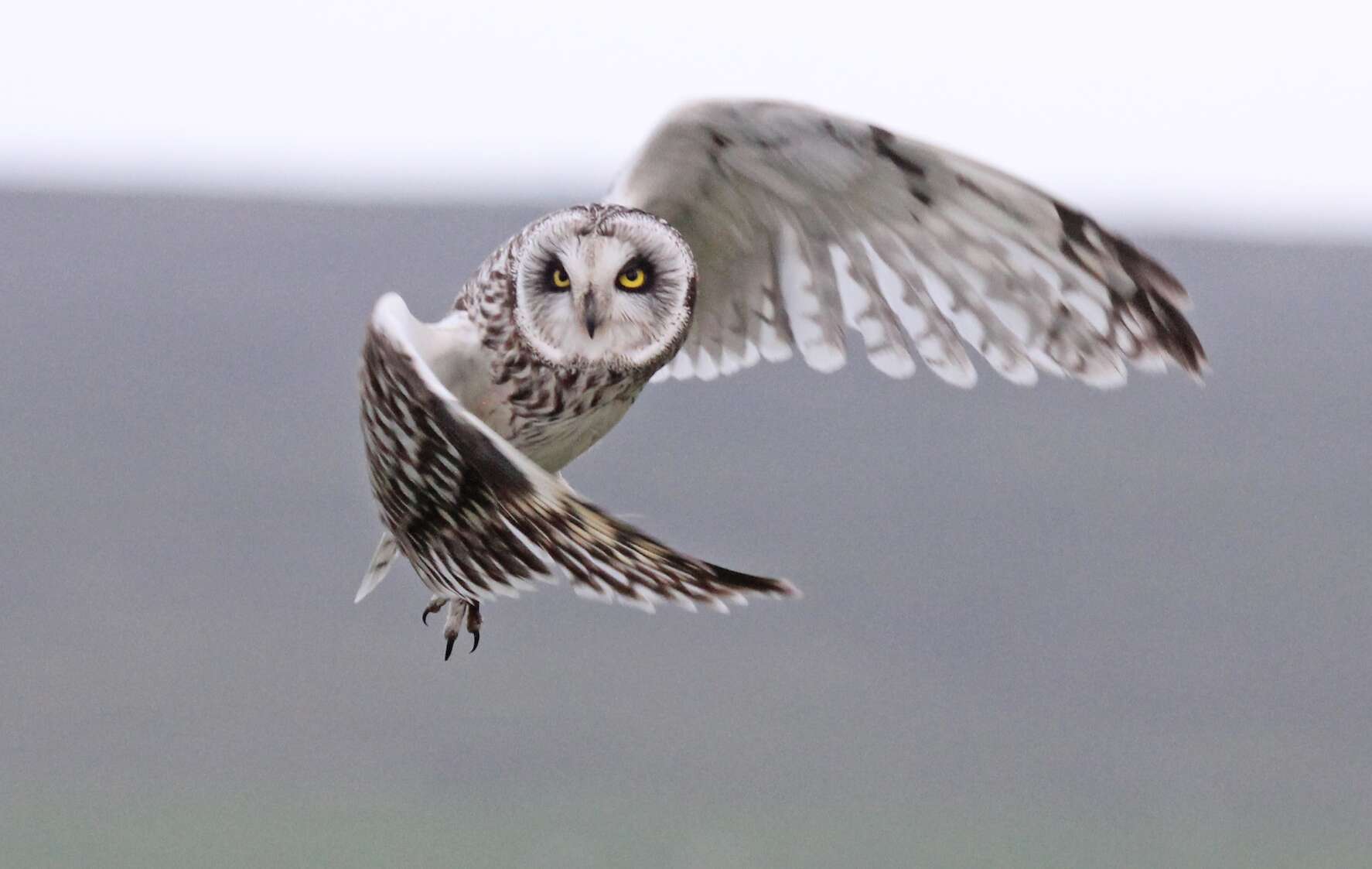
Short-eared owl:
“Short-eared owls are one of our most common birds of prey in Orkney. They venture far when hunting, but their breeding territories (where they’re most vocal) are often well away from where most of us live. Also known as cattie-face’s or shorties, they have several calls that would give you a fright in the night! Their most familiar is a ‘hoot’ that only males do, whilst both males and females make the scarier sounding ‘screeches’ and ‘barks’ that they use to defend and mark territory.”