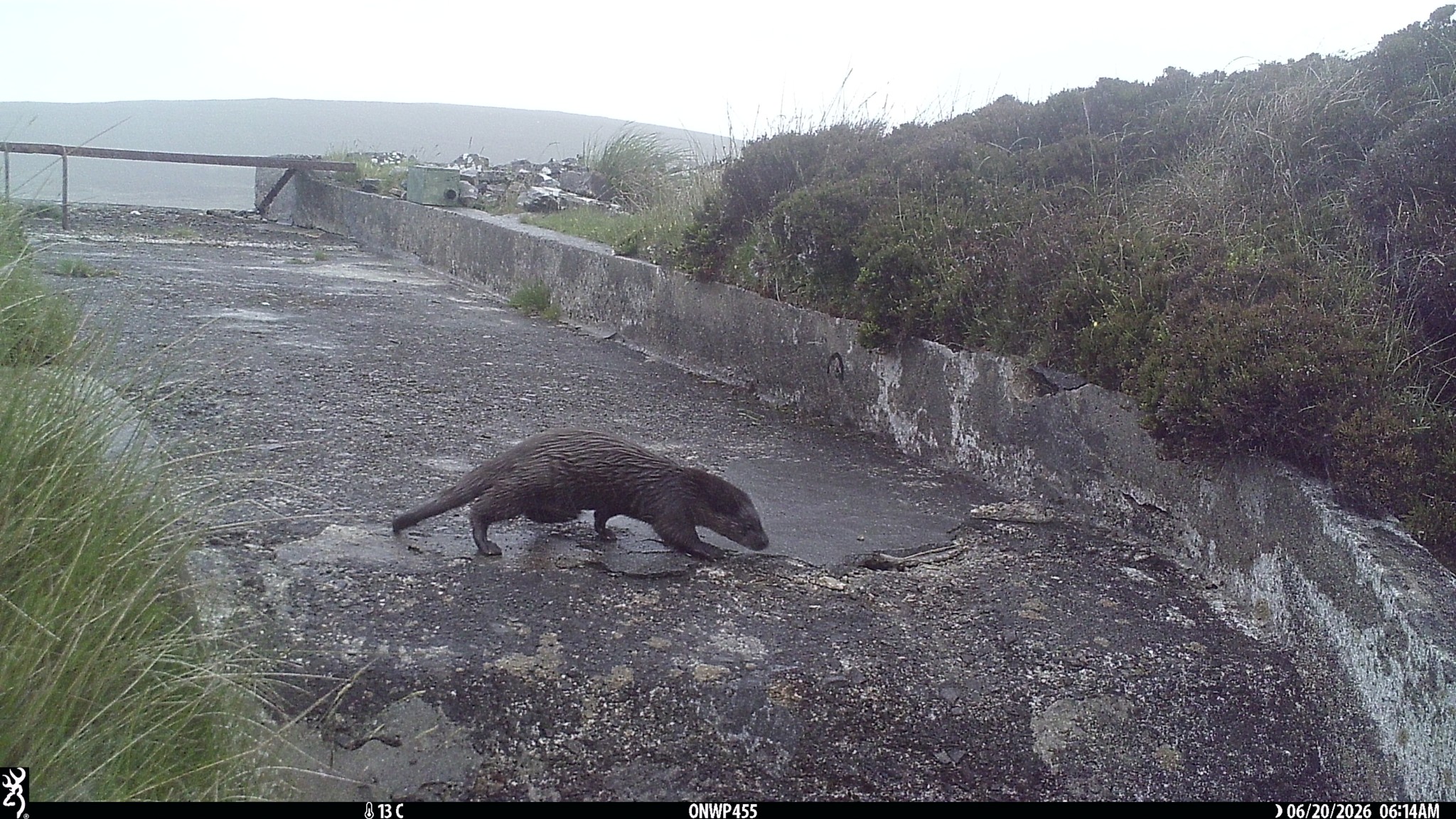
While heatwaves swept across much of Europe last month, our trappers set out into warm but milder sunshine, targeting invasive non-native stoats across Orkney. Summer is an important time of year for our project, because it’s when we usually see a spike in stoat activity – with stoats leaving their dens, and hunting or just running around more often out in the open.
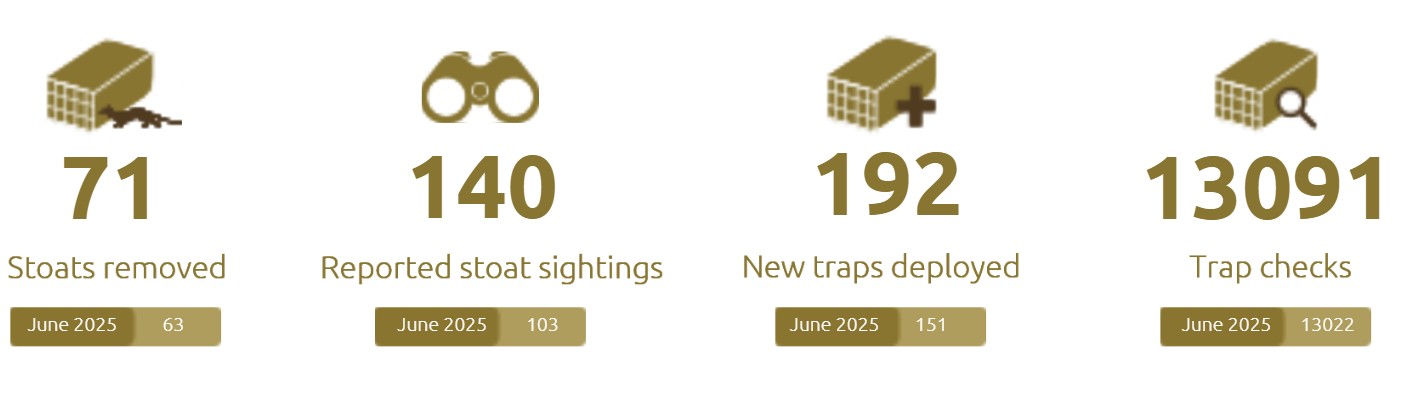
Across June, we removed 71 stoats, responded to 140 stoat sightings from members of the public, deployed 192 new traps, and carried out 13,091 trap checks.
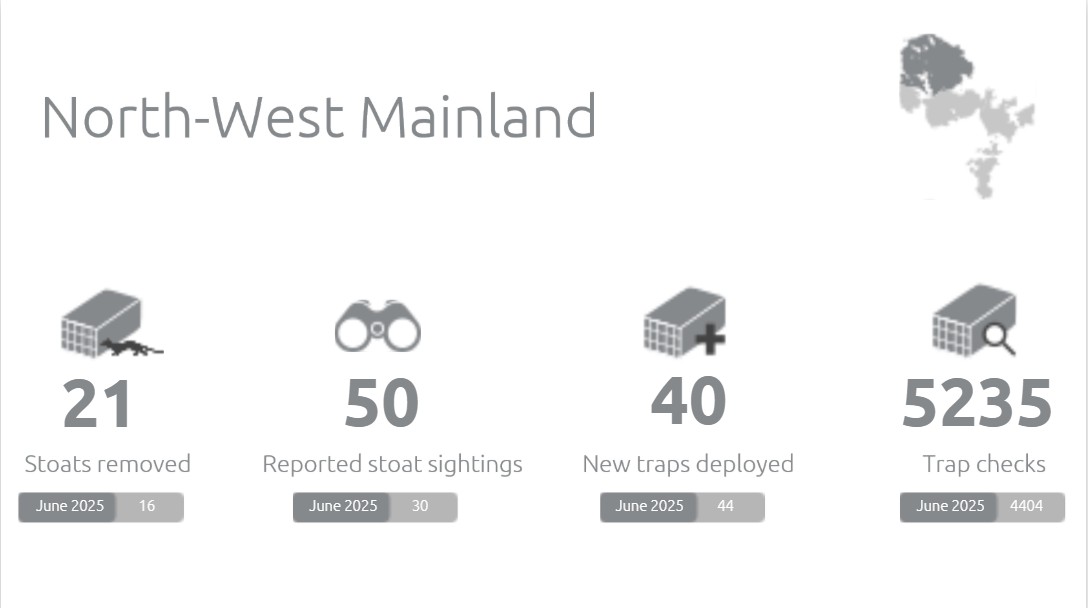
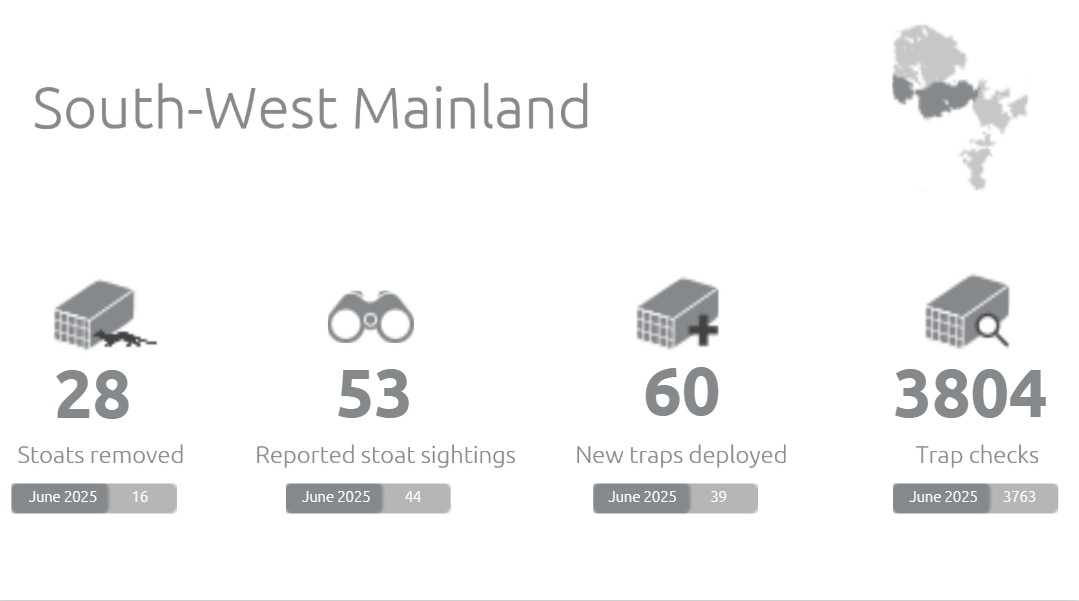
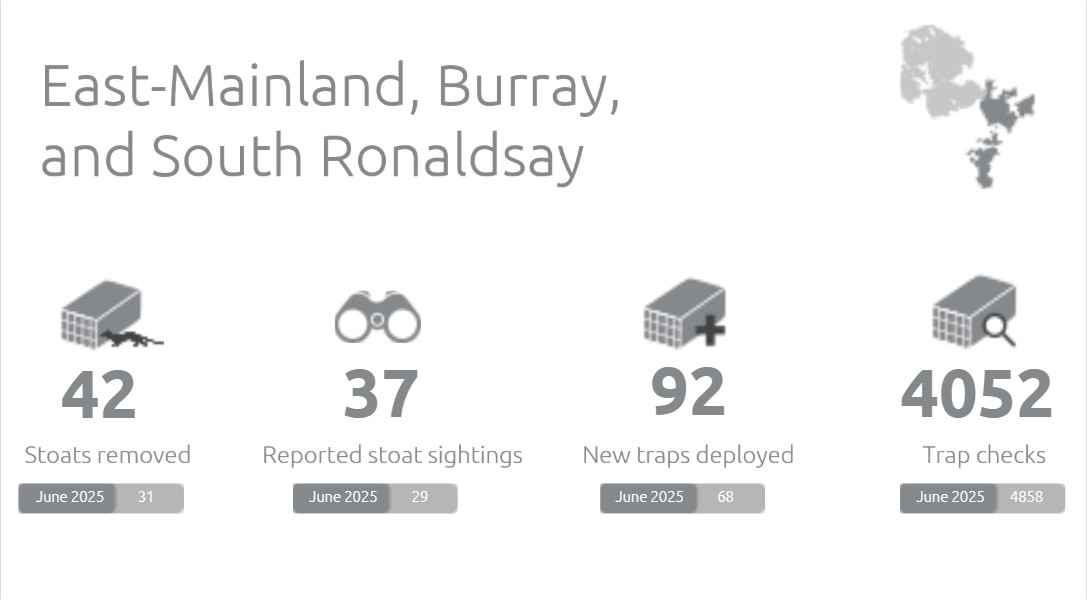
We caught more stoats (42) in East Mainland and the Linked Isles than in the rest of Mainland Orkney combined. This is because we have been heavily targeting this part of the county, as we are confident only a small number of breeding female stoats remain there.
In all areas of Orkney, we caught more stoats than in June 2025. This is also likely due to increasing efforts to trap remaining stoats, with extra staff and more traps deployed throughout the island.
Stoats on Rousay
Our team has also continued to respond to the stoat incursion in Rousay, alongside the fantastic community response volunteers on the island.
In total, we currently have 124 additional traps deployed, 36 cameras and 5 AI thermal cameras in Rousay. We’ve been prioritising the areas of the island where members of the public have reported stoat sightings to us.
The full timeline of updates on our work there can be found here.
Art attack
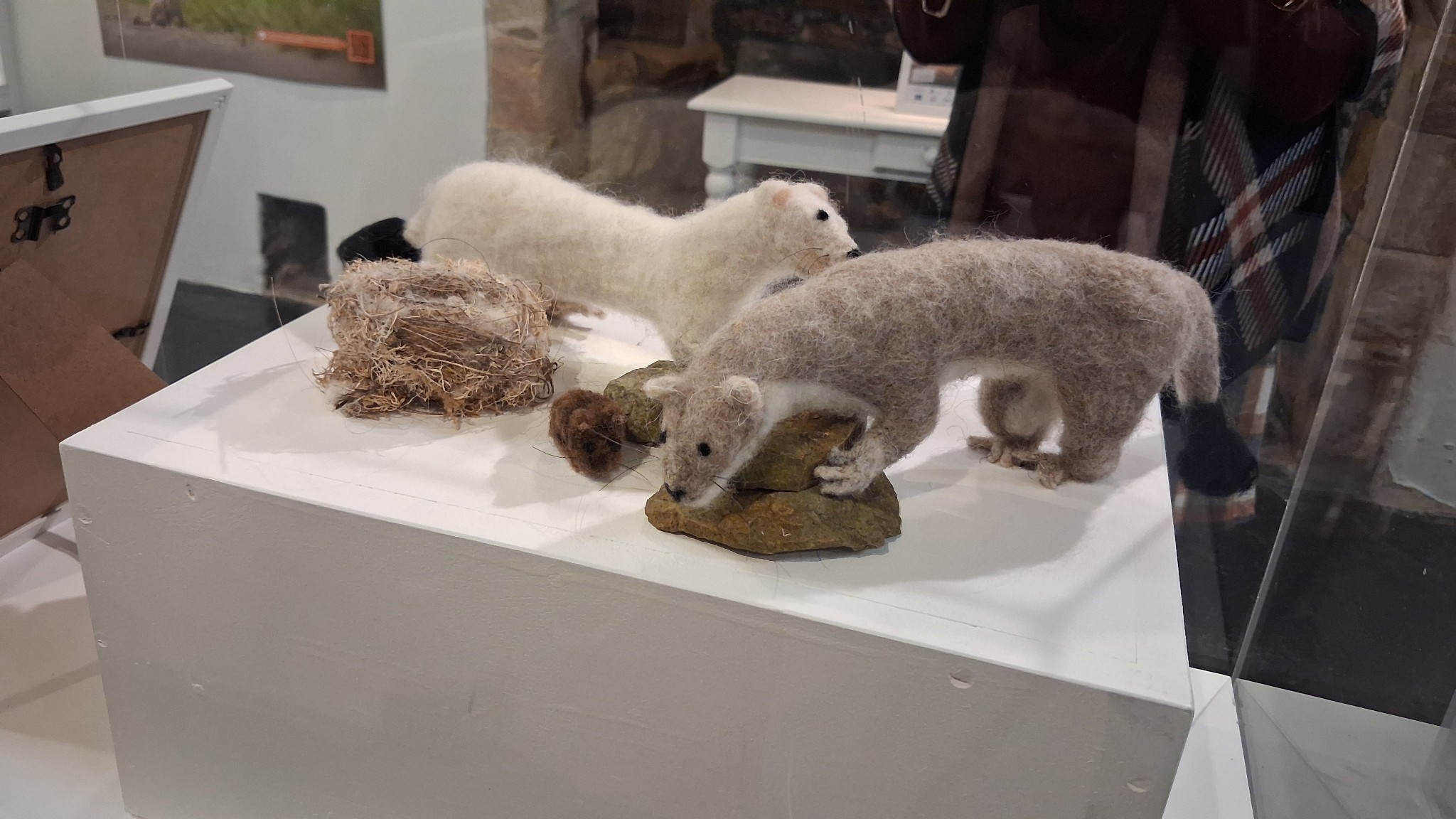
We were sad to see Unnatural Arrivals, our multimedia exhibit at the Orkney Museum, conclude on 22 June. But we were really heartened by its fantastic reception!
Across six weeks, over 14,460 people visited the exhibition – journeying from many different corners of the world, to learn more about the effort to remove stoats from Orkney and the ways this has inspired local artists. Some were Orkney locals or travellers from mainland Britain, whereas others came from further afield; visitors joined us from Brazil, Canada, Japan, New Zealand, the United States, and many more places.
We’re pleased to have helped bring news of Orkney’s native wildlife, and the local people protecting it, to an ever-wider audience.
And we have plenty of other outreach events planned for later in the summer – stay tuned to find out more…
A note on bycatch
People sometimes ask us about how frequently we catch other species. We take every possible measure to ensure as few other animals are caught as possible. Our trap houses, including entrance hole design, are constructed to prevent other animals from being able to reach the trap mechanism, and we use lures designed to specifically catch stoats. The traps are also calibrated to the weight of a stoat. Combined, these measures all work to help minimise bycatch of other species. The only non-target species that we can’t minimise the chance of being caught is the brown rat, due to its similar size and weight to stoats.
From March 2026 (the last time we shared bycatch figures) to the end of June 2026, throughout the county, we caught 1,200 rats, 315 rabbits, 128 mice, 65 starlings, 11 voles, 11 unidentified birds, rodents or other animals, and 5 frogs. Several of these species, like brown rats, are also not native to Orkney. In the same period, we removed 135 stoats.
Since each stoat must eat the equivalent of one Orkney vole a day just to survive, any impact of our trapping on voles will be far outweighed by the benefits of removing stoats from the islands.