A Year of Progress: Looking Back on 2025
As we draw 2025 to a close, the Orkney Native Wildlife Project has plenty to look back on after another busy and rewarding year in the field. From long days on the ground to invaluable support from communities across Orkney, this year has brought clear signs that our collective efforts are making a real difference.
Encouraging Signs on the Ground
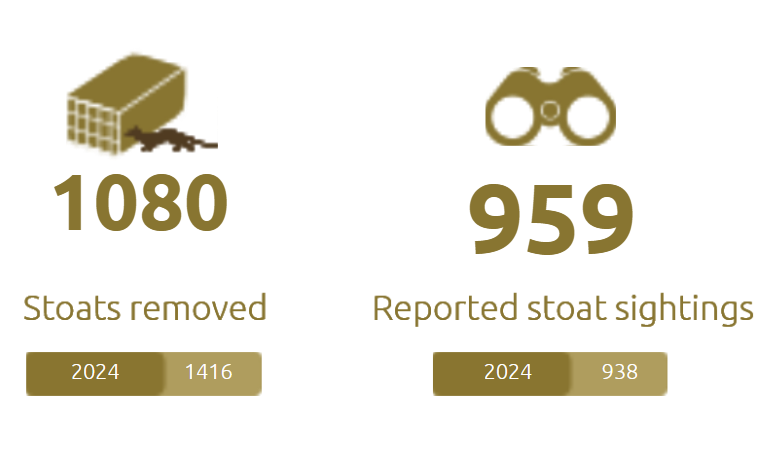
One of the most positive stories of the year has been the continued progress of the eradication programme. Overall, the number of stoats recorded across Orkney fell by almost a quarter compared to last year — a significant milestone for the project.
Some of the biggest reductions were seen in Southwest Mainland and East Mainland and the Linked Isles, where numbers dropped by 27 per cent and an impressive 41 per cent respectively. What makes these figures even more encouraging is that they were achieved despite an increase in trapping activity in these areas. This strongly suggests that stoat numbers are now much lower than when the project first began, highlighting just how far we’ve come.
The Power of Community Sightings
Interestingly, while stoat numbers are down, the number of sightings reported this year rose slightly — from 938 in 2024 to 959 in 2025. This isn’t a cause for concern; quite the opposite. The increase reflects the incredible commitment of people across Orkney who continue to take the time to report what they see.
A huge thank you to everyone who sent in a sighting — each and every report makes a difference. These observations help us build a clearer picture of stoat activity across the islands and play a vital role in guiding where traps are placed.
This was particularly evident in East Mainland and the Linked Isles this year, where our team responded to every reported sighting as part of the mop-up trial. As the eradication progresses and stoat numbers continue to fall, receiving detailed and timely information will become even more important to help us target the final pockets of activity.
As we head into the next year, we do so with optimism — and with gratitude for the continued support that makes this work possible.
Four Legged Collegues Getting The Miles In
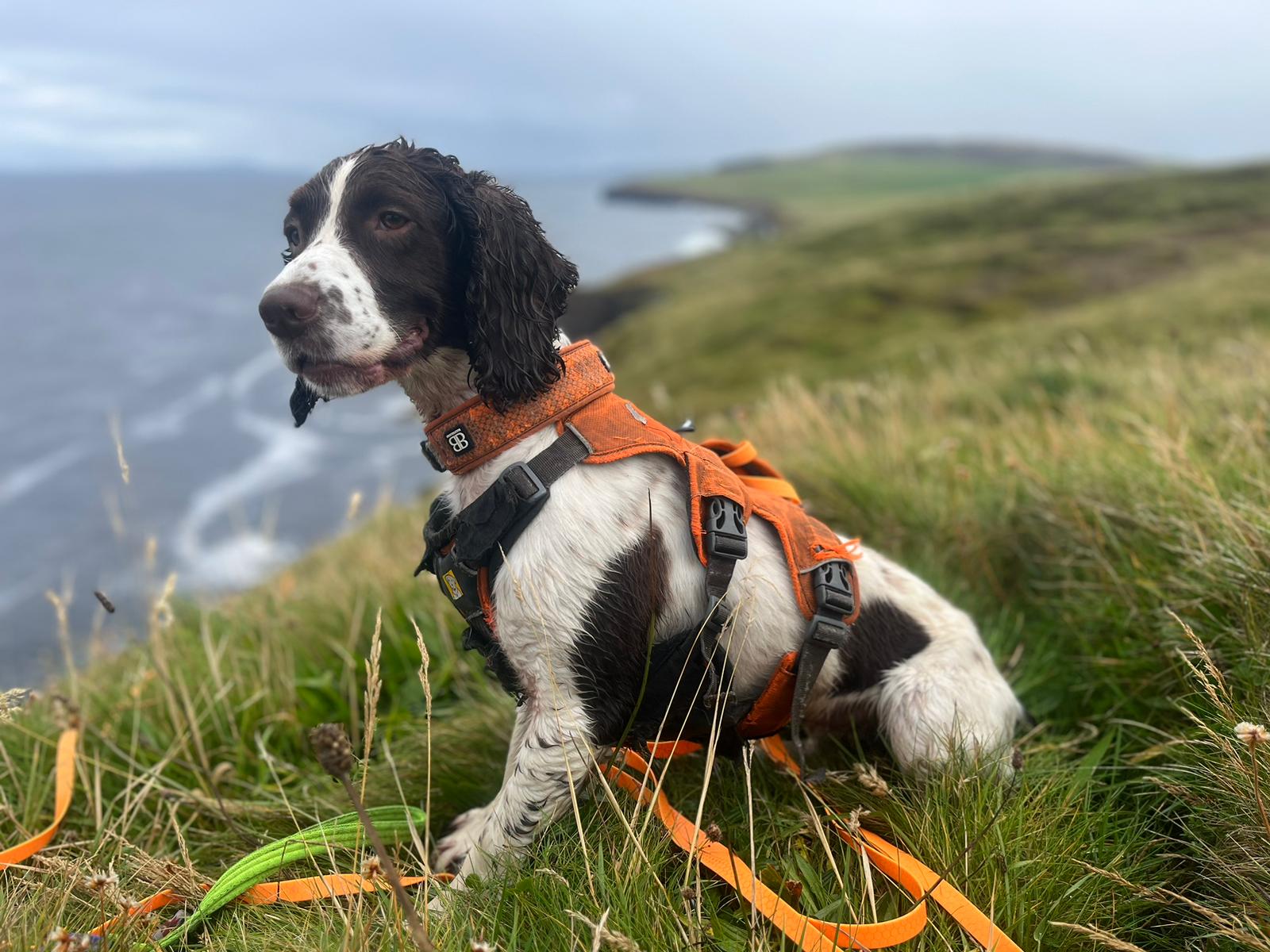
Most people’s favourite team members, our detection dogs, once again proved invaluable. They’ve padded their way over more than 1900 miles so far this year – the equivalent of walking to Prague and back. But it’s their noses that are delivering the real results as we’ve checked even more areas for signs of stoats.
Hope For Continued Trend
Thanks to our wonderful volunteers who surveyed both wader populations and Orkney voles this year. We are still crunching the numbers, and the results won’t be ready until early next year. However, we’re hoping to see a continuation of trends from 2023 and 2024 which saw nest survival for curlew and lapwing reach record levels, the number of breeding curlews increase and vole activity increase since the project began.
A Massive Thank You
We wouldn’t have been able to remove as many stoats, conduct as many dog searches or monitor Orkney’s native wildlife without people giving us land access permission which reached its highest point since the project began. Thank you as always for your support!
Taken together, the numbers tell a positive story: steady progress, improving coverage and a community increasingly engaged in the project. With continued support, the goal of a stoat-free Orkney feels more achievable than ever.
We would like to wish everyone a very merry Christmas and happy new year! See you in 2026!