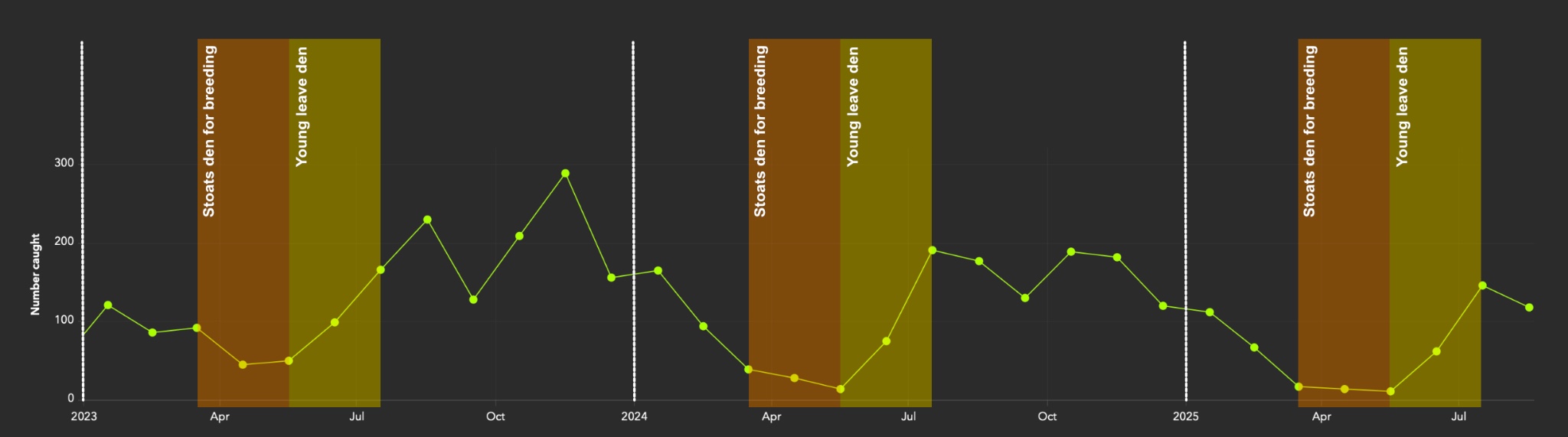
Coming out of the year's stoat breeding season, we can confidently say we are continuing to see the amount of stoat activity decrease year-on-year. This data is represented in our stoat catch, with peaks in catch flattening each year.
While our catch is decreasing year-on-year, our efforts are increasing with more trap checks across Orkney year-on-year. In August 2025 we completed 9626 trap checks, 283 more than the same month in the previous year.
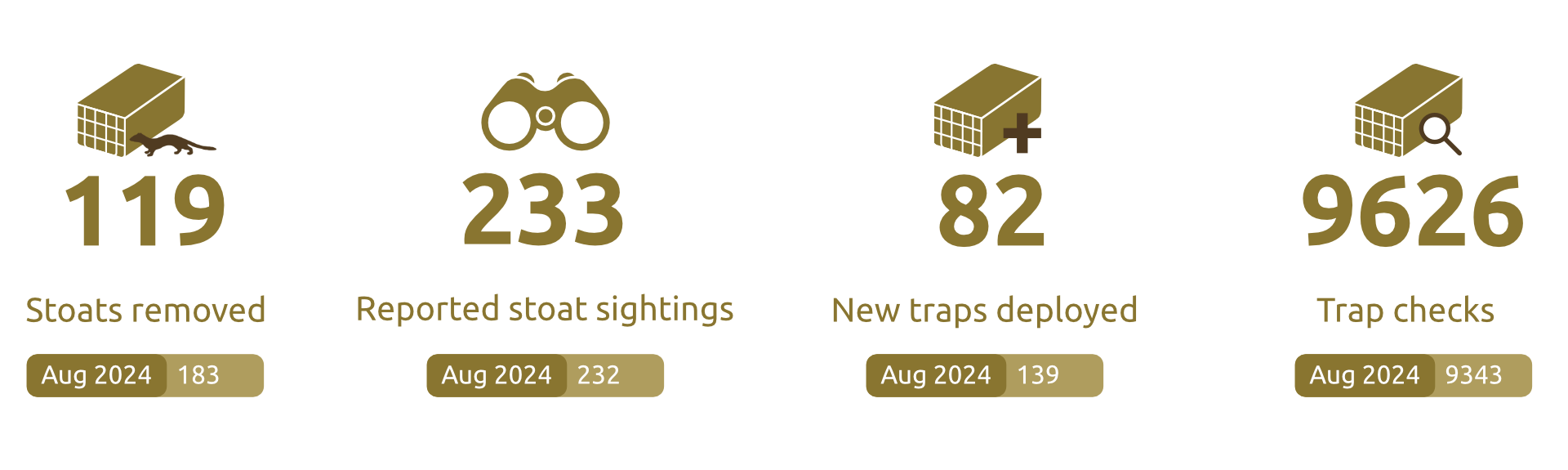
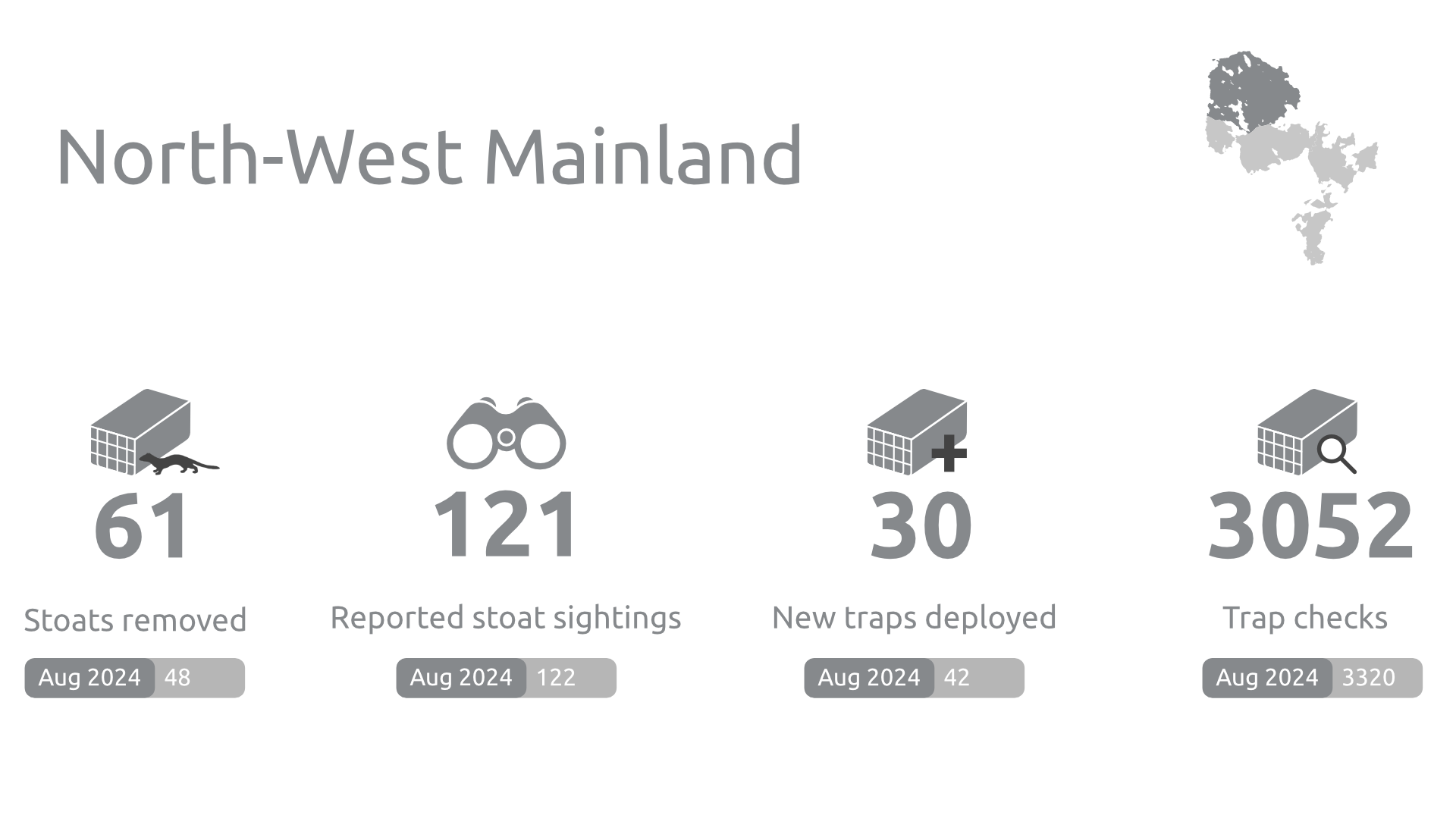
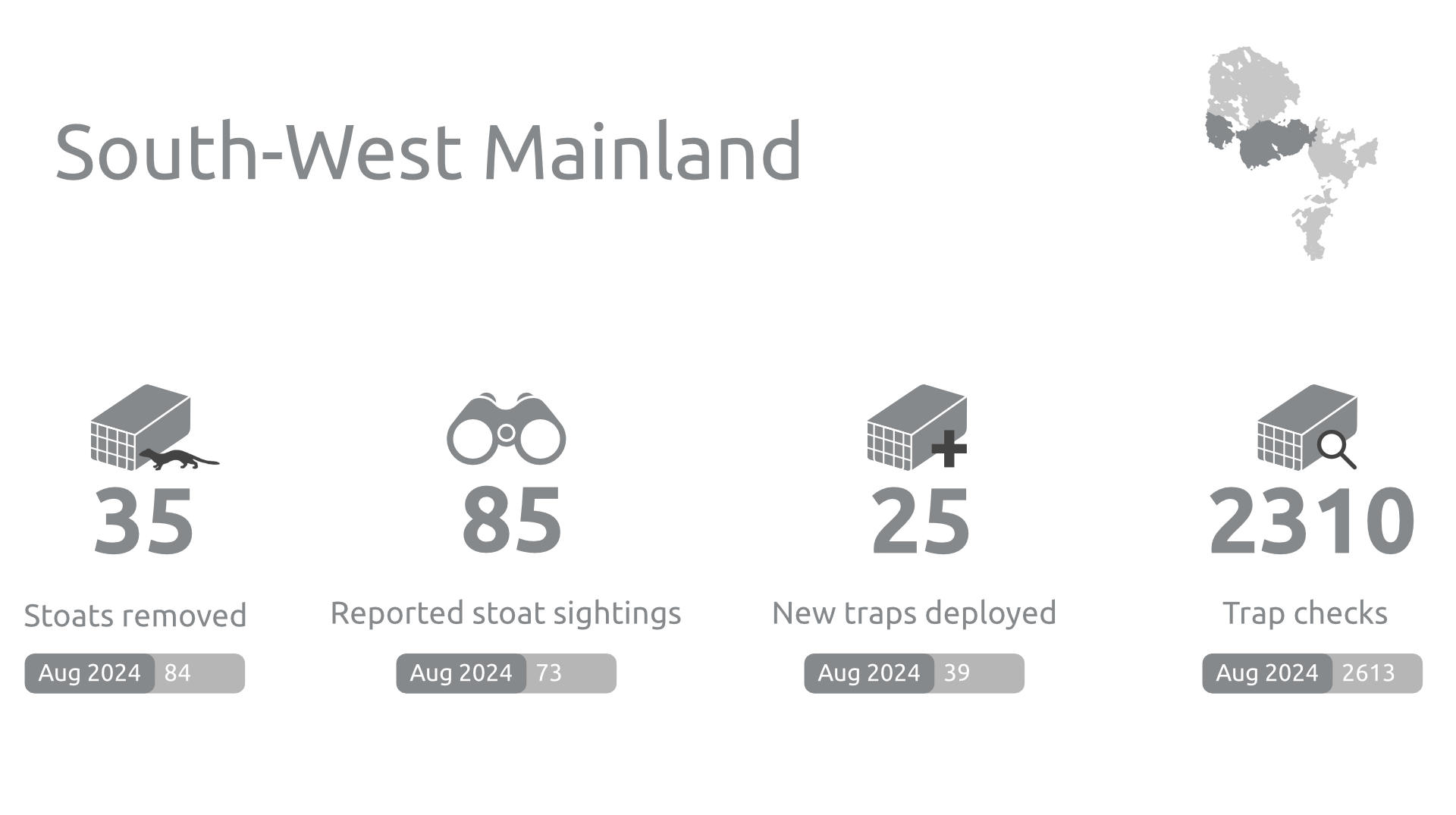
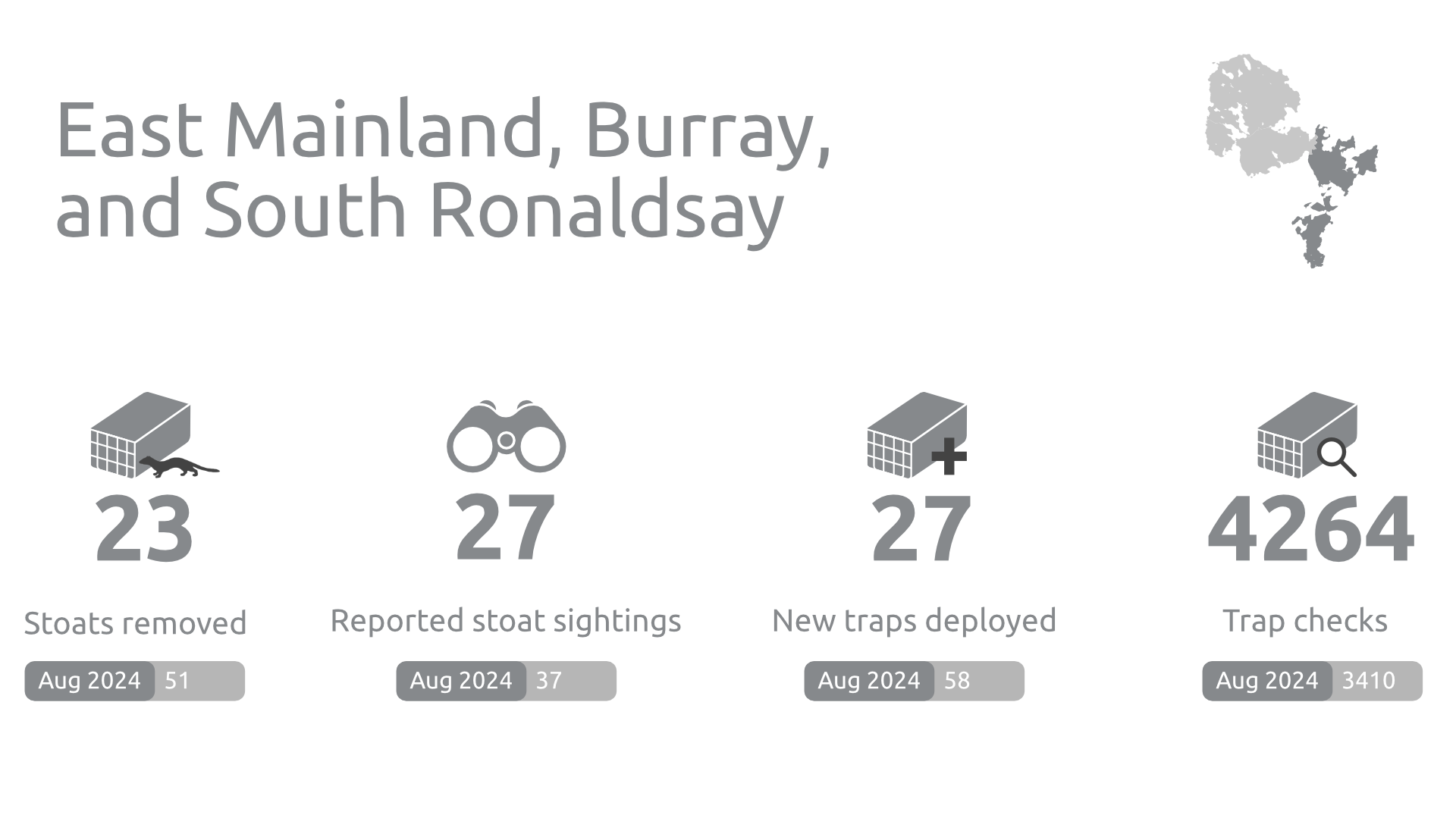
Most stoats were removed from North-West Mainland in August 2025, which is also where we received the most reported stoat sightings. However, the most trap checks were completed in East Mainland and the linked isles - an area we're keeping an especially close eye on as we continue our trial of new technology that might be used in the 'Mop Up' phase of the project. Folk in the area might've seen our team out with these AI-powered thermal imaging cameras.
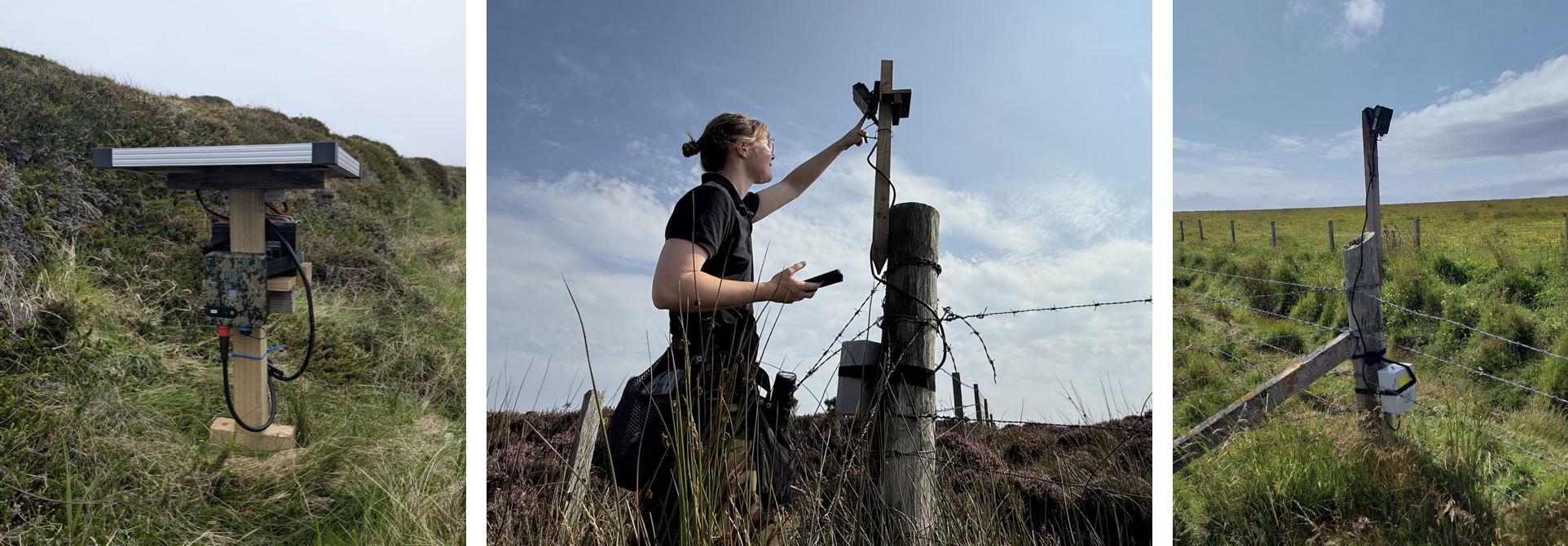
Unlike traditional field cameras, which require our team to manually collect and sift through thousands of images, these new smart cameras are being trained to automatically detect the thermal print of stoats in the landscape and instantly alert the team with SMS text messages.
That means less time spent checking through images of non-target species or wind-blown grass — and more time focusing on the stoats we’re here to remove.
The AI is being trained through collaboration with a technology company who work with eradication projects in New Zealand, where teams are sharing images to help build an accurate detection model.
The technology is still being trialled and refined, but it could play a big role in making Orkney stoat-free!