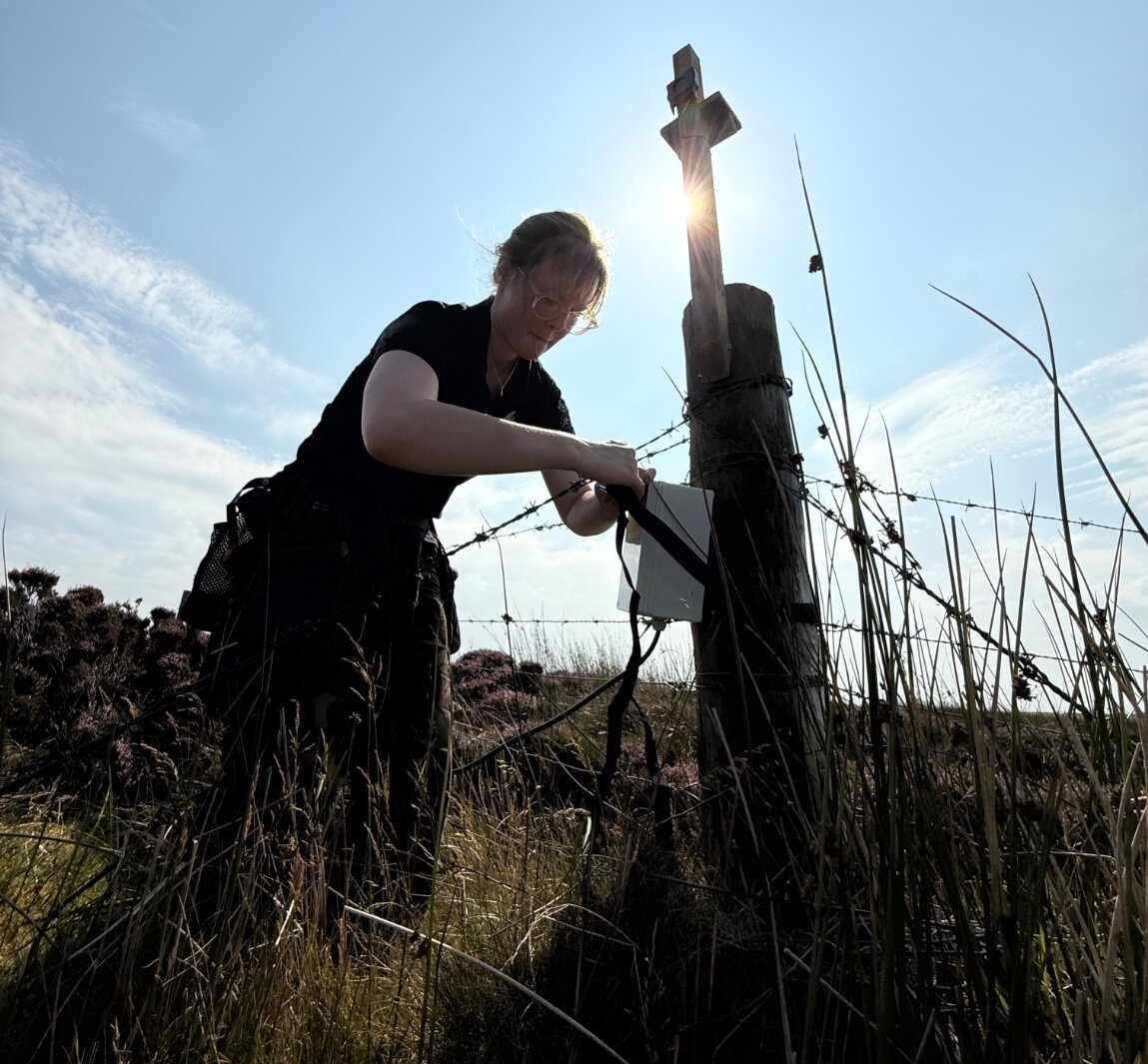
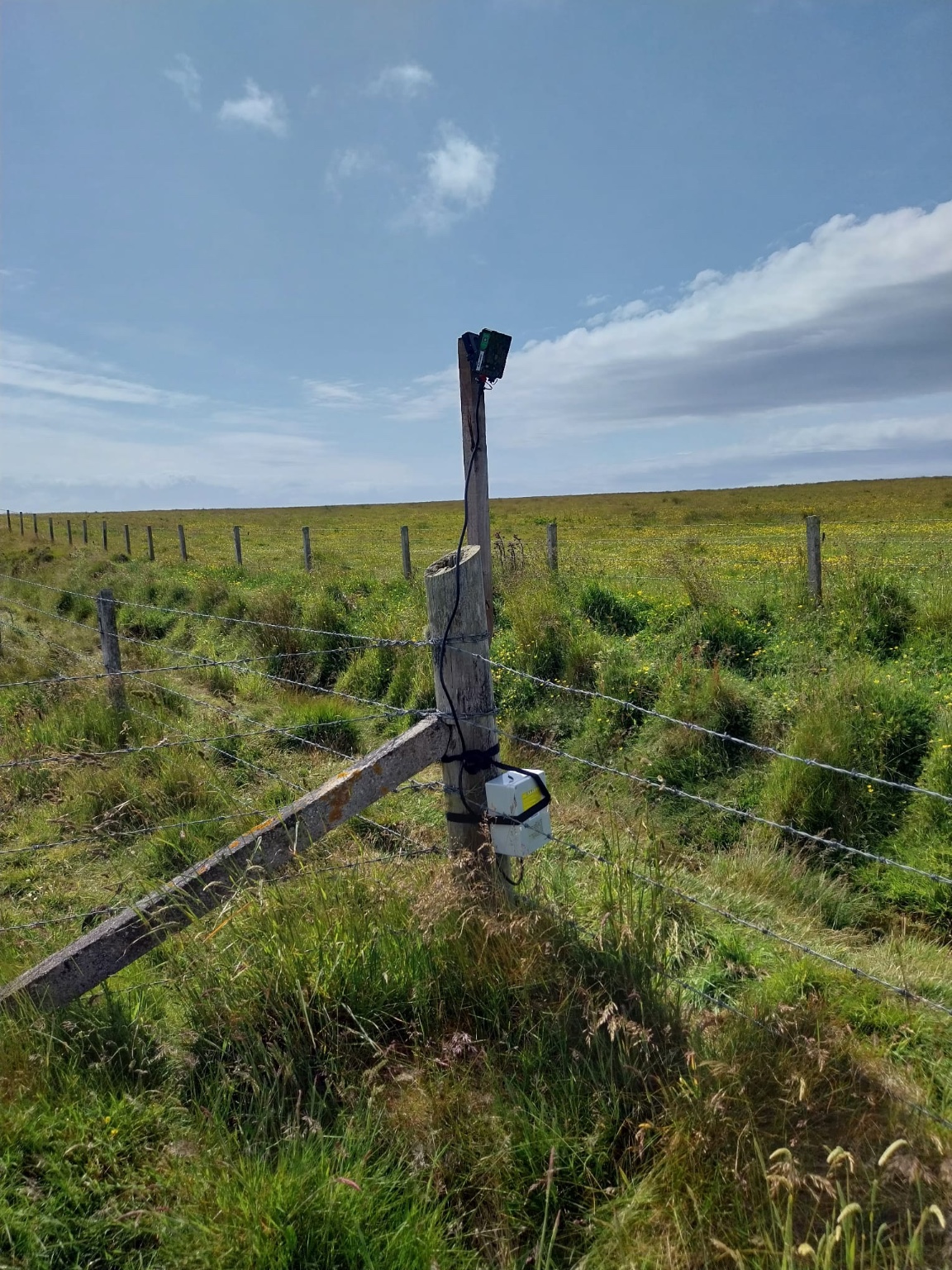
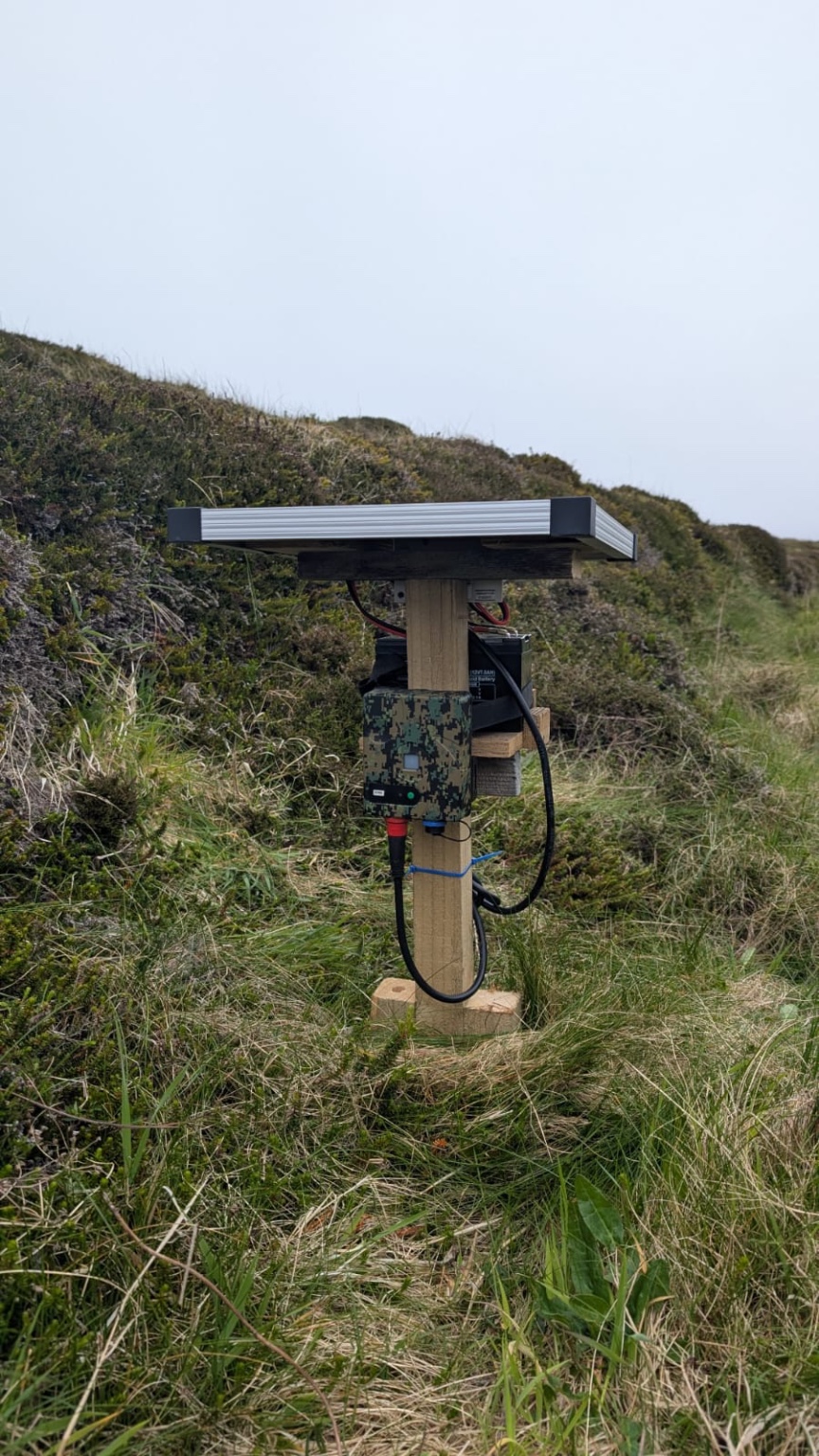
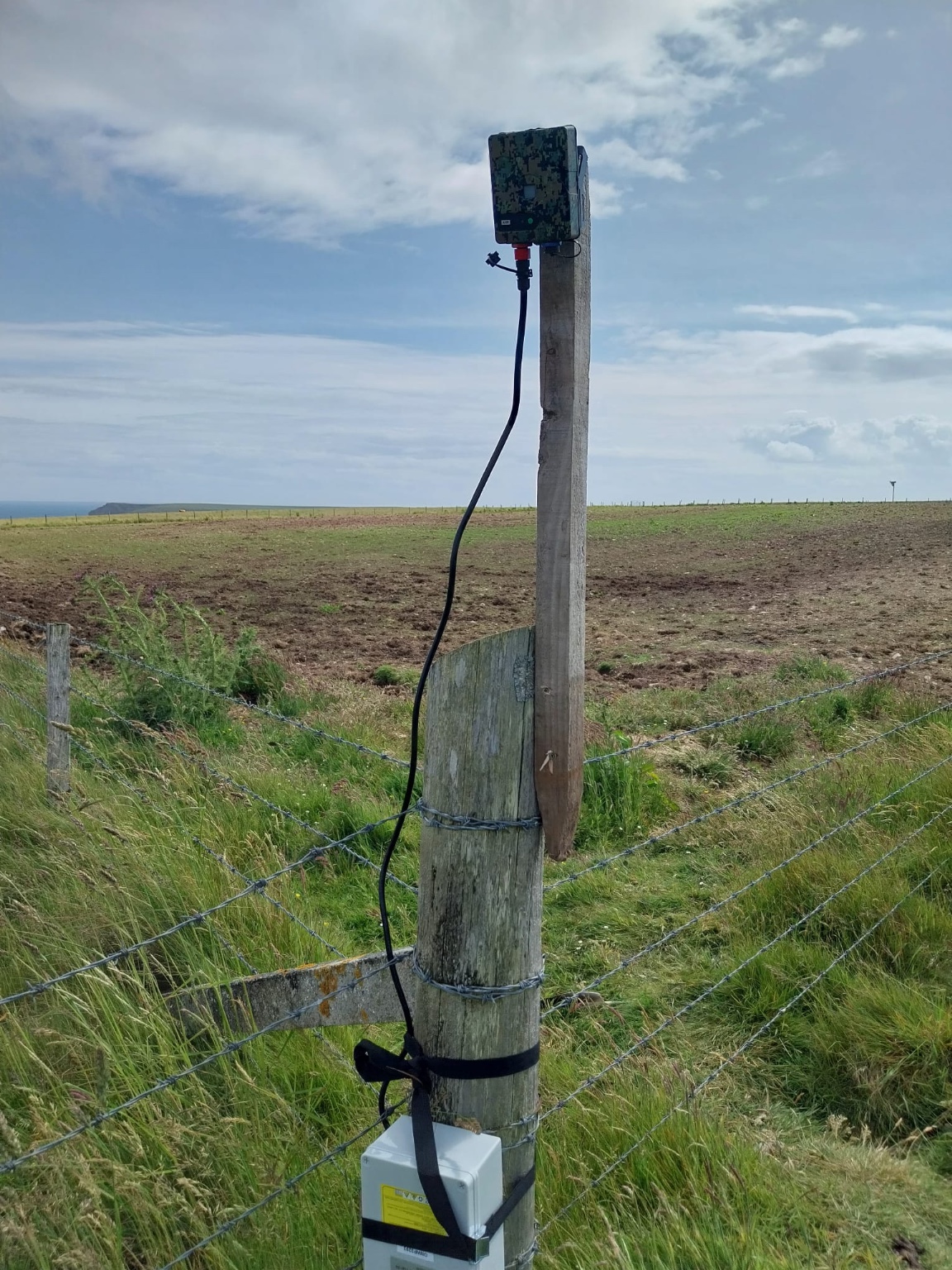
One of the new tools we're testing are Artificial Intelligence-powered thermal imaging cameras.
Unlike traditional field cameras, which require our team to manually collect and sift through thousands of images, the new smart cameras are being trained to automatically detect the thermal print of stoats in the landscape and instantly alert the team with SMS text messages.
That means less time spent checking through images of non-target species or wind-blown grass — and more time focusing on the stoats we’re here to remove.
The AI is being trained through collaboration with a technology company who work with eradication projects in New Zealand, where teams are sharing images to help build an accurate detection model.
The technology is still being trialed and refined, but it could play a big role in making Orkney stoat-free!
How are the trials going?
We’ve found the AI automatic identification tool works well up to approximately 20-30 meters, after which it becomes less effective. However, the distance the thermal camera works is actually much further, and can capture visible thermal movement up to approximately 50 meters. So even if the AI tool cannot automatically identify the distant movement, we can still see and manually identify it ourselves (which also helps train the AI).
The location and direction of the cameras also plays an important role. We’re finding they work in most temperature ranges, but they are less effective in direct sunlight. We can mitigate this by pointing them north and using them in areas without objects that hold a lot of heat (i.e. stones and rocks).
They are definitely more effective in lower temperatures and after sunset - which interestingly is where we’d have the most trouble with traditional trail cameras.
If you've seen a stoat, report it to orkenynativewildlife.org.uk/report.
This article was originally written as a column for the Orcadian newspaper. Our columns are published on the final week of every month.